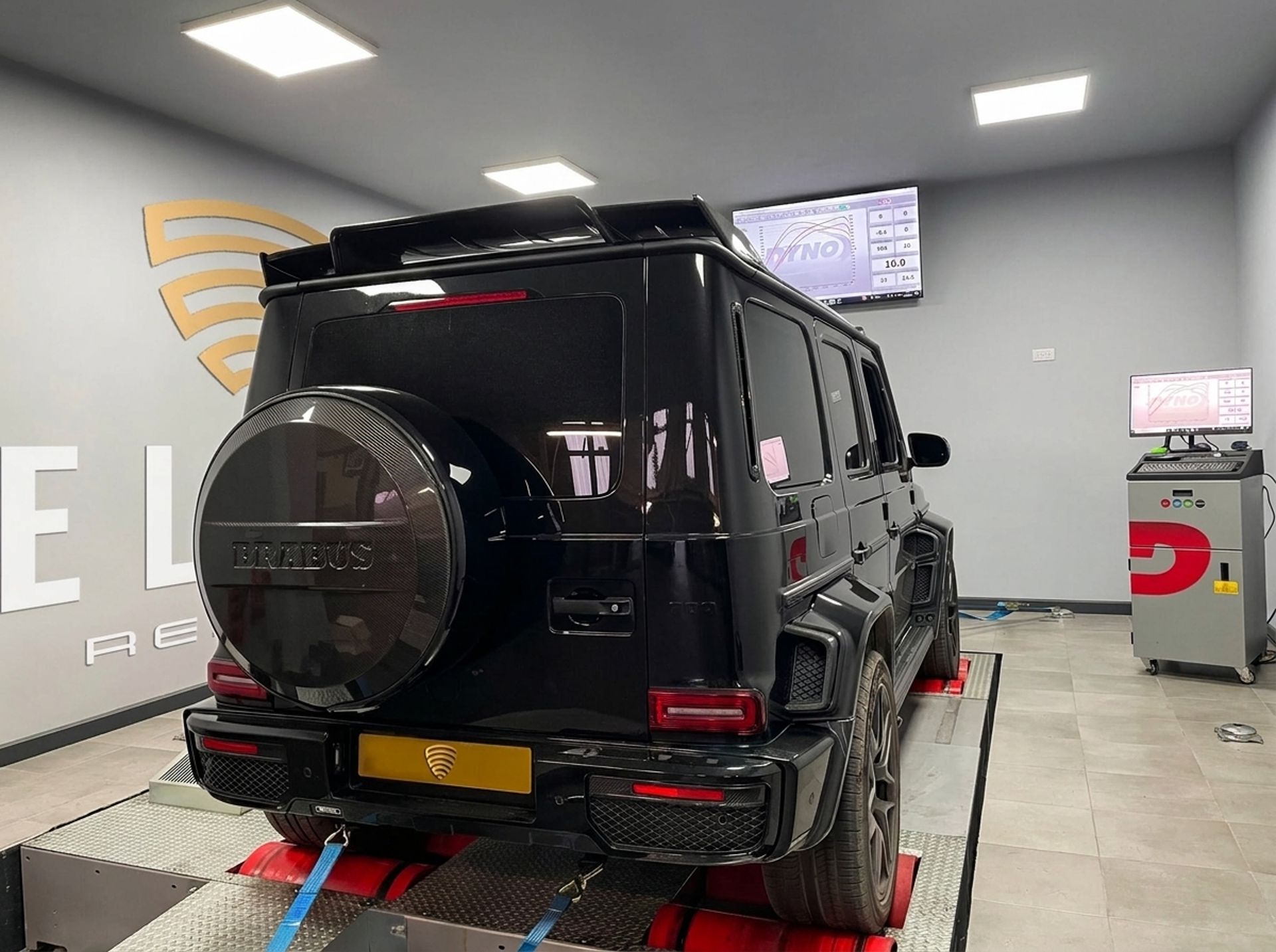
Stage 1 and Stage 2 are the most common terms in the tuning world, but they are not defined by any engineering body or industry standard. They are a convenient shorthand that most reputable tuners use consistently, though the exact gains and requirements vary between companies and between vehicles. Here is what they mean in practice and how to choose the right one.
Why ‘stage’ terminology is not a standard
Unlike octane ratings or emissions categories, there is no governing body that defines what Stage 1 or Stage 2 must include. One tuner's Stage 2 might be another's Stage 1+ or their high-power Stage 1. What matters is not the label but what hardware the file is developed for, what limits it respects, and how it is verified on your specific vehicle.
That said, the broad convention across the UK tuning industry is consistent enough to be useful. Here is how we define each stage and what you can expect.
Stage 1: software only, standard hardware
A Stage 1 remap is developed to work with your vehicle exactly as it left the factory. No additional parts are required. The calibration optimises the standard turbo, intercooler, exhaust, intake and fuelling system to release performance the manufacturer left on the table for global market reasons.
Stage 1 typically involves:
- Revised boost targets within standard turbo limits
- Optimised fuelling and injection timing
- Adjusted torque limiters to allow the engine to deliver more of what it is mechanically capable of
- Refined throttle response and power delivery
- No physical modifications required
For most drivers, Stage 1 is the ideal balance of gains, reliability and simplicity. It delivers a transformation in how the car drives without introducing any additional maintenance burden or hardware cost.
Stage 2: software matched to supporting hardware
A Stage 2 remap is calibrated around specific supporting hardware that removes a restriction the standard components impose. The most common upgrades are a higher-flowing exhaust system (often a decat or sports catalyst and downpipe), an upgraded intercooler, or an improved intake. The file is developed to take advantage of these parts working together.
Stage 2 typically requires:
- A higher-flowing exhaust system (usually at minimum a decat/sports cat and downpipe)
- An uprated intercooler on vehicles where heat soak limits gains
- Sometimes an improved air intake or upgraded fuel injectors
- The specific parts vary by vehicle — there is no universal list
The gains from Stage 2 are larger because the hardware modifications remove bottlenecks that limited how far the software could safely push. But the file must be developed specifically for whatever parts are fitted — not all Stage 2 hardware combinations are the same, and a file developed for one exhaust brand may not be optimal for another.
What about Stage 2+, Stage 3 and beyond?
Some tuners use Stage 2+, Stage 3 or higher labels for builds with larger turbos, forged internals, or heavily modified fuelling systems. These are specialist builds that go well beyond bolt-on hardware and require bespoke calibration. They are not something a driver should pursue without understanding the cost, maintenance requirements and implications for road use.
How to decide
The decision between Stage 1 and Stage 2 is not about ambition — it is about what hardware you have fitted or are willing to fit. A Stage 2 file on a car without the supporting parts is unsafe. A Stage 1 file on a car with Stage 2 hardware is leaving performance on the table.
Choose Stage 1 if:
- Your car is completely standard
- You want a significant improvement without modifying hardware
- You value simplicity and zero additional maintenance
- You want the best value-for-money upgrade available
Choose Stage 2 if:
- You have already fitted (or plan to fit) supporting hardware
- You want more than standard hardware can safely deliver
- You are prepared for additional maintenance and potential MOT considerations
- You understand the specific parts required for your vehicle
Can I start at Stage 1 and upgrade later?
Yes. Many drivers start with a Stage 1 remap, enjoy it for months or years, then upgrade hardware and move to Stage 2 when they are ready. We develop a new file matched to whatever parts are fitted at that point. There is no penalty for starting conservatively and upgrading later — it is often the smartest approach.
Match the file to the hardware
The golden rule is simple: the software must be matched to whatever hardware is on the car. Tell us what you have fitted and what you want to achieve, and we will recommend the right calibration honestly — including telling you when Stage 1 is all you need.
Key takeaways
- Stage terminology is an industry convention, not a fixed engineering standard — it varies between tuners.
- Stage 1 works on completely standard hardware and suits the vast majority of drivers.
- Stage 2 is calibrated around specific supporting hardware upgrades and delivers bigger gains.
- The right choice depends on your goals, budget, vehicle and willingness to modify hardware.
- Always get the hardware right first — software should be matched to what is fitted, not the other way around.
Frequently asked questions
Is Stage 2 always better than Stage 1?
Not necessarily. Stage 2 delivers bigger gains, but it requires supporting hardware, costs more, may have MOT implications and introduces additional maintenance. For most drivers, Stage 1 is the better overall package because it gives a huge improvement with zero hardware changes.
Can I run a Stage 2 file on a standard car?
No. A Stage 2 file is calibrated around specific hardware that removes standard restrictions. Running it without that hardware risks over-boosting, running lean, or exceeding exhaust back-pressure limits. The file must always match what is physically fitted.
What hardware do I need for Stage 2 on my car?
It varies by vehicle. Common requirements include a higher-flowing exhaust, uprated intercooler and sometimes improved intake or fuelling hardware. We can tell you exactly what your specific vehicle needs before you buy any parts.
Can I upgrade from Stage 1 to Stage 2 later?
Yes. There is no penalty for starting at Stage 1. Once you fit the required supporting hardware, we develop a new Stage 2 file matched to those parts. Many customers take this progressive approach.
Why do different tuners quote different gains for the same stage?
Because stage terminology is not standardised, and gains depend on how conservatively or aggressively the file is calibrated, how gains are measured, and what safety margins are maintained. Always ask what limits the file respects, not just what the peak number is.
Want advice for your vehicle?
Speak to a specialist for honest, no-pressure guidance tailored to your car and how you drive.