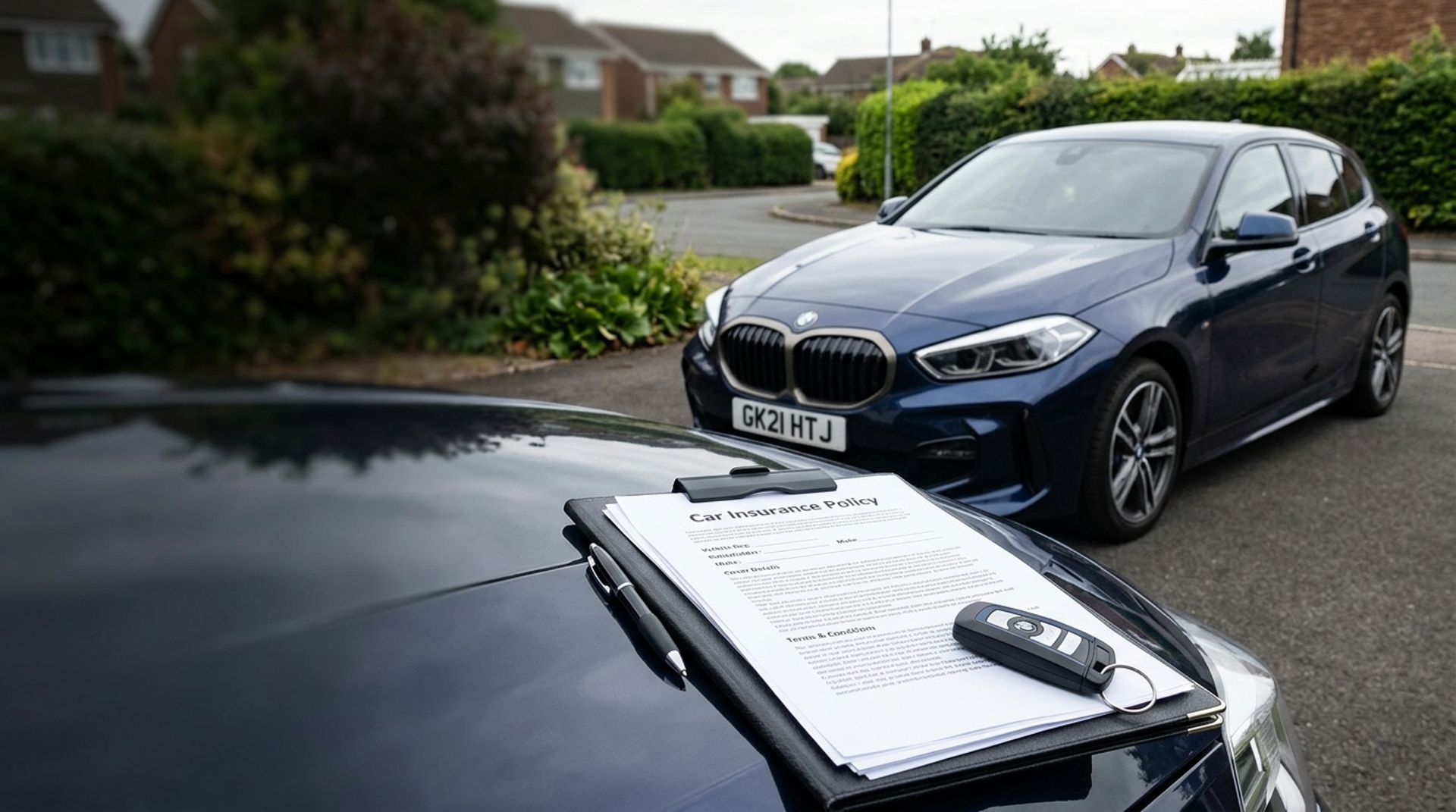
An ECU remap is a vehicle modification under UK motor insurance terms and must be declared to your insurer. Failing to do so can invalidate your entire policy — not just the element covering the modification — which means any claim, even one completely unrelated to the remap, could be refused.
Why disclosure is non-negotiable
UK motor insurance policies contain a duty of fair presentation. You are required to disclose any material fact that could influence an insurer's decision to cover you or the terms they offer. A change to the engine's power output is a material fact. It does not matter whether the insurer would have charged more or not — what matters is that you gave them the opportunity to assess it.
If you have an accident and the insurer discovers an undeclared modification during investigation, they can void your policy from inception. That means no payout, no third-party cover, and potentially a record of a voided policy that makes future insurance significantly more expensive.
What insurers typically ask
When you declare a remap, most insurers want to know:
- That the vehicle has been remapped (ECU software modification)
- The stage of tune — Stage 1, Stage 2, or economy remap
- The revised power and torque figures, or the percentage increase
- Who carried out the work
- Whether any other modifications are fitted (exhaust, intake, intercooler, etc.)
Some insurers ask for written confirmation from the tuner. We are happy to provide documentation confirming the stage of tune, the revised figures and that the work was carried out professionally.
When to declare
The safest approach is to call your insurer before the remap is done, or immediately after. Do not wait until renewal. Most policies require you to notify them of any change to the vehicle within a reasonable period — typically 14 days. Some policies allow mid-term modifications with a small admin fee; others may need to re-quote.
Premium implications
The impact on your premium varies enormously between insurers. Some mainstream insurers add a modest amount for a Stage 1 remap on a standard vehicle — sometimes as little as 10–15% of the existing premium. Others may decline to cover modified vehicles at all, or quote significantly more.
This variation is why shopping around matters. A quote that seems expensive from one insurer may be perfectly reasonable from a specialist modified-car provider. The market for modified-vehicle insurance is well established in the UK, with providers who understand tuning and price it fairly.
Specialist modified-car policies
If your current insurer will not cover a remapped vehicle or quotes an unreasonable premium, specialist modified-car insurance providers are worth exploring. These companies insure thousands of tuned vehicles and often offer agreed-value cover, multi-modification discounts and knowledgeable claims handlers who understand what a remap actually is.
What about economy remaps?
An economy remap still changes the engine's calibration and technically changes the power output, even if the primary goal is efficiency rather than performance. It should still be declared. The good news is that insurers generally view economy-focused modifications very favourably, and premiums are rarely affected.
What to ask your insurer
Useful questions when declaring:
- Do you cover ECU remaps, and is there an additional premium?
- Do you need written confirmation from the tuning company?
- Does the modification affect my excess or no-claims discount?
- Are there any restrictions on the stage of tune you will cover?
- Would you recommend I move to a specialist policy instead?
We provide the paperwork
We are happy to confirm in writing the stage of tune, revised power and torque figures, and that the work was carried out by a professional remapping specialist. This makes the declaration straightforward for you and your insurer.
Key takeaways
- An ECU remap is a modification and must be declared to your motor insurer.
- Non-disclosure can invalidate your policy entirely — not just the modification element.
- Many insurers add only a modest premium for a Stage 1 remap; some specialist policies are very competitive.
- You need to provide the stage of tune and revised power/torque figures.
- Declare before the work is done or immediately after — do not wait until renewal.
Frequently asked questions
Will declaring a remap make my insurance much more expensive?
Not necessarily. Many insurers add only a modest amount for a Stage 1 remap, and specialist modified-car providers are often very competitive. The premium increase is almost always far less than the cost of having a claim refused for non-disclosure.
Can my insurer cancel my policy if I declare a remap?
They can choose not to continue covering you at renewal, but they cannot typically cancel mid-term for a declared modification you have informed them about in good faith. They may re-quote or refer you to a specialist provider.
Do I need to declare an economy remap?
Yes. Any change to the engine's software calibration is a modification regardless of whether the goal is performance or economy. Insurers generally view economy remaps favourably and premiums are rarely affected.
What if I do not declare and have an accident?
The insurer can void your policy from inception, refuse any claim — including third-party liability — and record a voided policy against your name. This makes future insurance significantly more expensive and is never worth the risk.
Can you give me the figures my insurer needs?
Yes. We provide written confirmation of the stage of tune, revised power and torque figures, and confirmation that the work was carried out professionally. This is included as part of our service.
Want advice for your vehicle?
Speak to a specialist for honest, no-pressure guidance tailored to your car and how you drive.