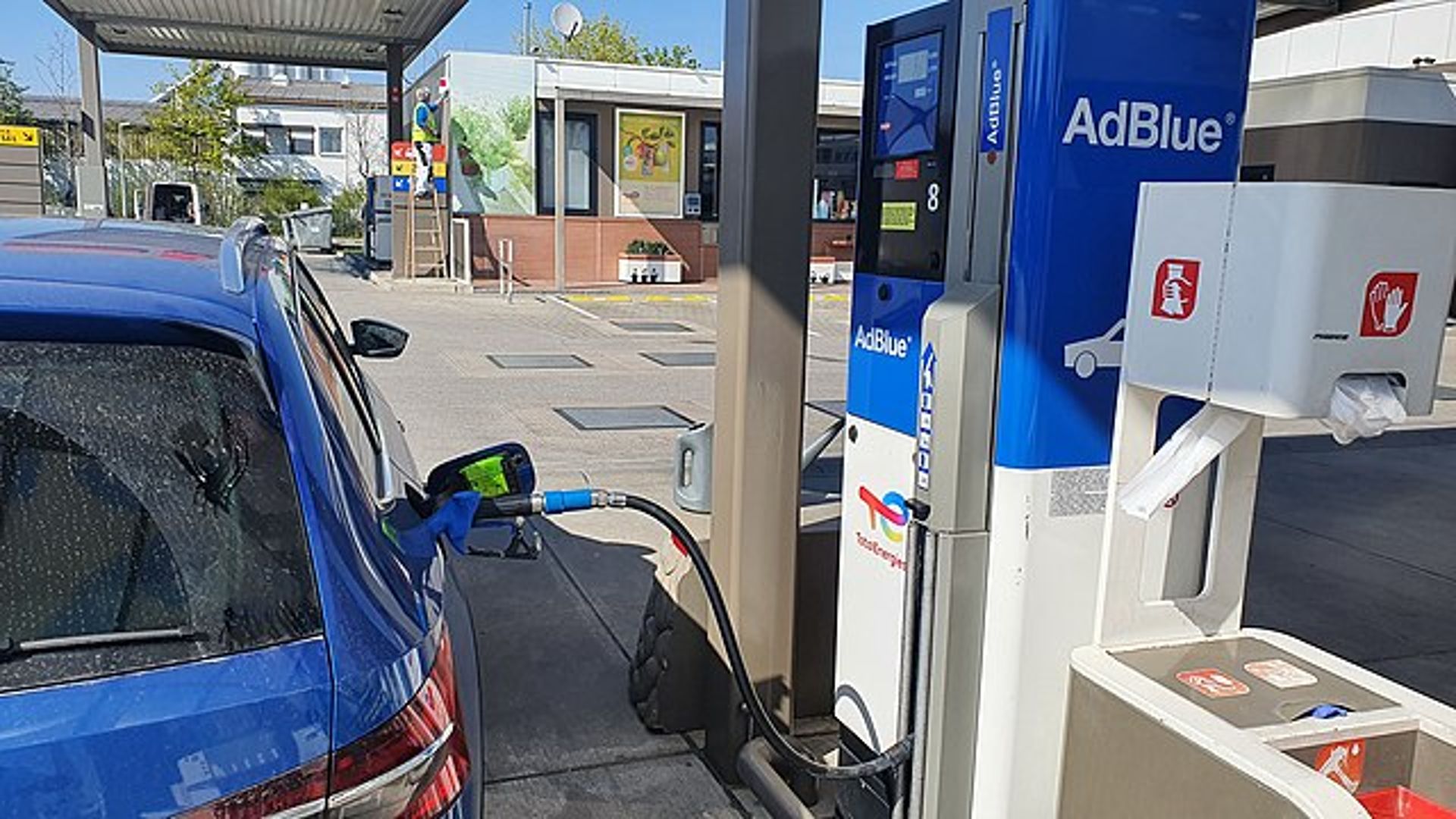
AdBlue consumption worries a lot of diesel owners, especially the first time the top-up reminder appears. The good news is that most usage is completely normal — but a sudden change can be an early warning of a fault. Here is what to expect.
What normal consumption looks like
As a rough guide, most modern diesels use around 1 to 1.5 litres of AdBlue every 600 to 1,000 miles, though this varies by engine, load and driving style. Manufacturers usually size the tank so a top-up lines up roughly with a service, but real-world driving can shorten that interval.
What pushes consumption up
Perfectly normal reasons your car uses more AdBlue include:
- Towing or carrying heavy loads
- Lots of short, cold-start journeys
- Sustained high-speed motorway driving
- Cold weather, when the system works harder
When high usage means a fault
A gradual increase with the seasons is normal. A sudden, sharp jump in consumption — or a tank that empties far quicker than it used to — can point to a dosing fault, a leaking injector or a NOx sensor telling the system to inject too much. If your usage has changed noticeably, it is worth having the SCR system checked.
Usage changed suddenly?
If your AdBlue consumption has jumped without a change in how you drive, get in touch. We can diagnose the SCR system and find the real cause.
Key takeaways
- Most diesels use roughly 1 to 1.5 litres of AdBlue per 600 to 1,000 miles.
- Towing, cold weather and heavy town driving all increase consumption.
- A sudden jump in usage often points to an SCR or dosing fault.
- We can diagnose abnormal AdBlue consumption and its root cause.
Frequently asked questions
How often will I need to top up AdBlue?
It depends on the car and how you drive, but many owners top up every few thousand miles or around each service. Towing, cold weather and town driving all shorten that interval.
Can I overfill AdBlue?
Only add AdBlue to the marked level and use the correct filler. If you are using far more than usual, have the system checked rather than simply topping up repeatedly.
Want advice for your vehicle?
Speak to a specialist for honest, no-pressure guidance tailored to your car and how you drive.