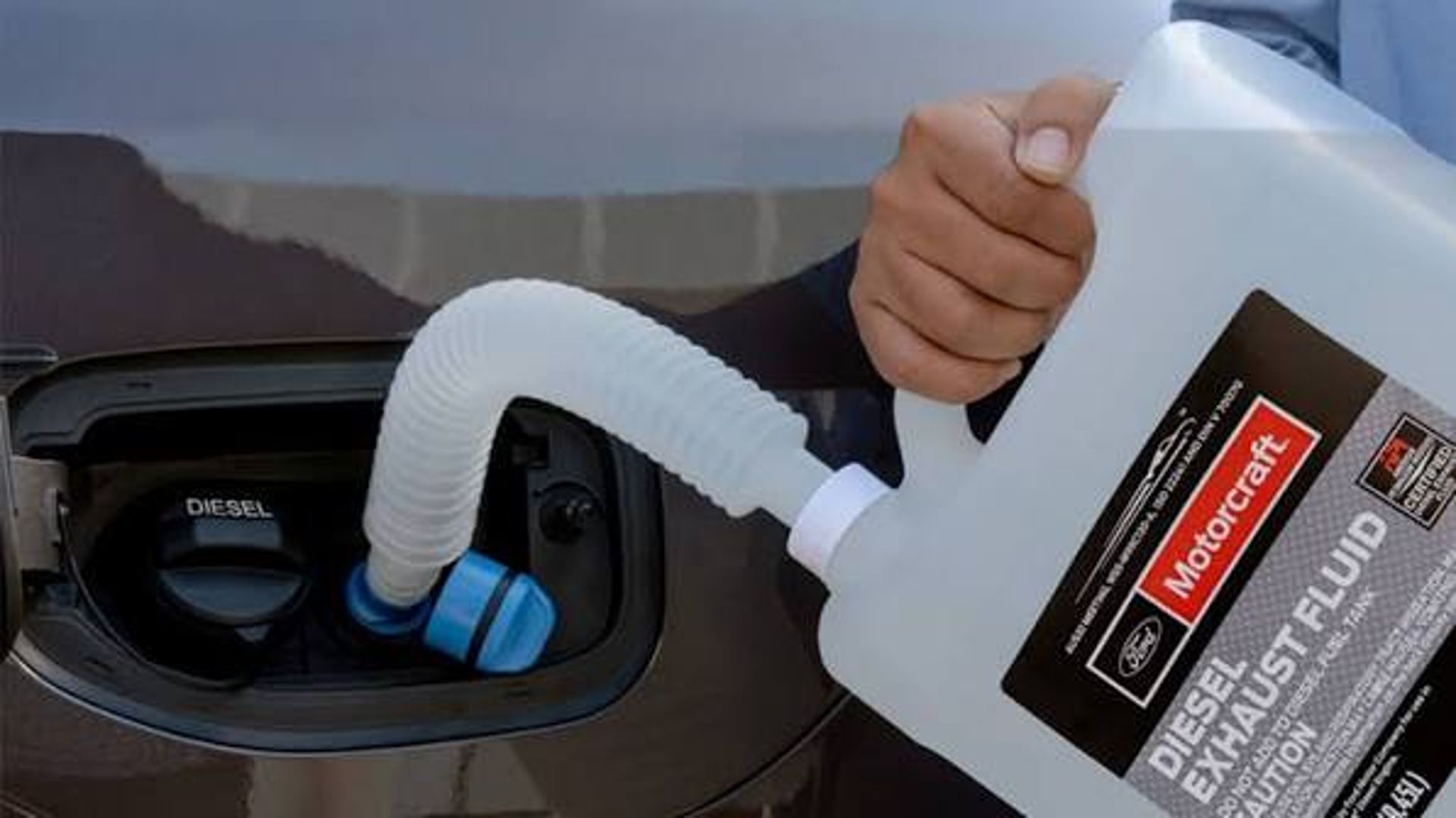
If you have bought a diesel in the last decade you have probably had to top up AdBlue. It can feel like an extra chore, but there is a clear reason manufacturers adopted it across the range.
Meeting tighter emissions rules
Diesel engines produce NOx, a harmful emission that regulations have progressively tightened. AdBlue feeds the SCR system, which converts most of that NOx into harmless nitrogen and water — letting manufacturers meet the standards without sacrificing diesel's economy.
What it means for owners
For everyday ownership, AdBlue means:
- Occasional top-ups between services
- Warning messages if the level runs low
- A no-start countdown if it is ignored completely
- A sensitive system that relies on good-quality fluid
Kept topped up with good fluid, AdBlue is low-maintenance. Most issues come from ignoring warnings or from a fault in the wider SCR system rather than the fluid itself — which is where proper diagnosis matters.
There for a reason
AdBlue lets modern diesels stay clean and efficient — a small top-up in exchange for meeting strict emissions rules.
Key takeaways
- AdBlue lets diesels meet tighter NOx emissions rules.
- It feeds the SCR system that neutralises harmful NOx.
- Owners need occasional top-ups and to heed warnings.
- Most faults come from the wider system, not the fluid itself.
Frequently asked questions
Why did manufacturers start using AdBlue?
To meet progressively tighter NOx emissions regulations. AdBlue feeds the SCR system that converts most NOx into harmless nitrogen and water, letting diesels stay clean and efficient.
Is AdBlue a lot of hassle to live with?
Not really. Kept topped up with good-quality fluid it is low-maintenance. Most problems come from ignoring low-level warnings or a fault elsewhere in the SCR system.
Want advice for your vehicle?
Speak to a specialist for honest, no-pressure guidance tailored to your car and how you drive.