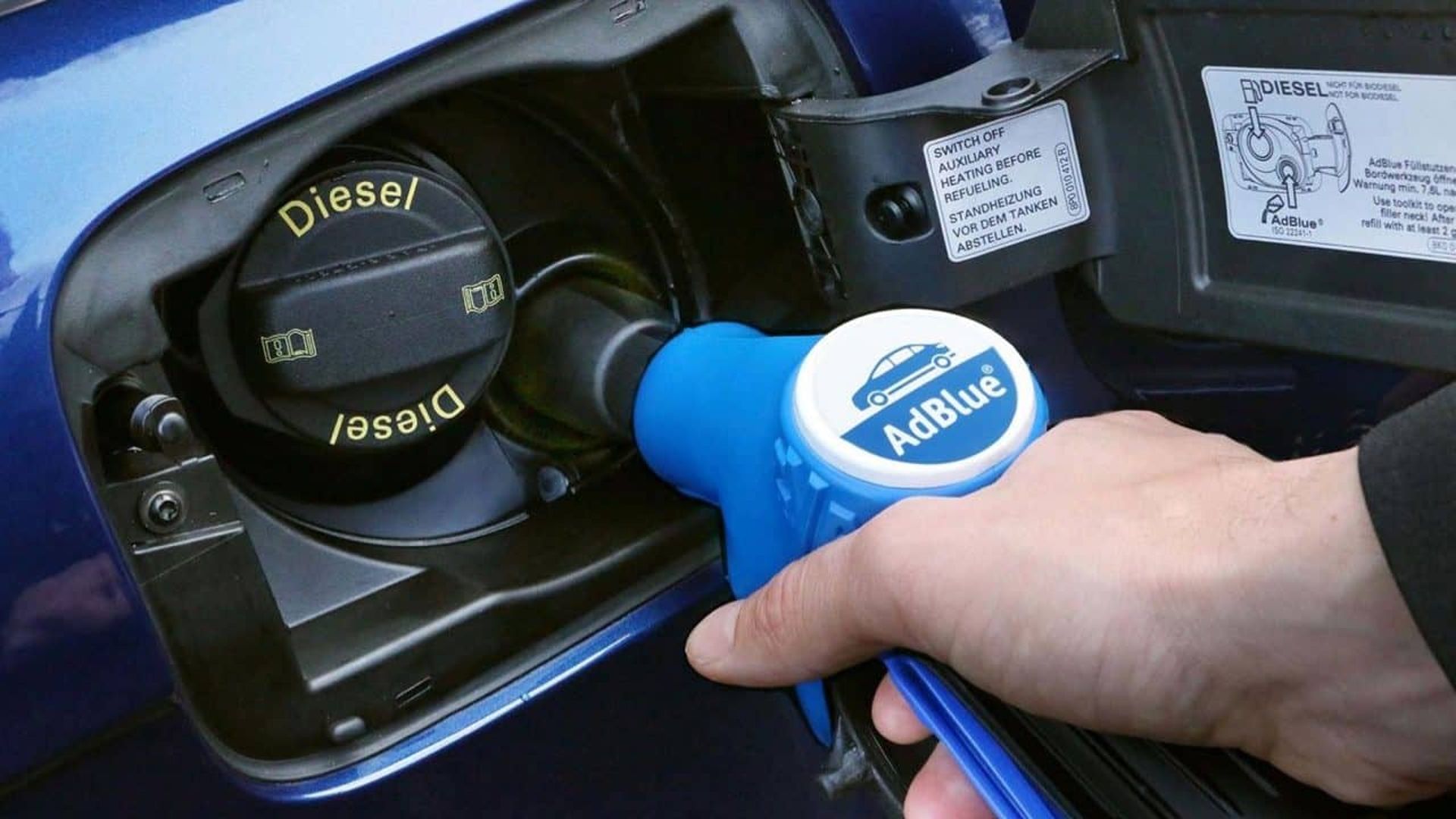
AdBlue looks like plain water, but it is a precisely mixed solution — and both its quality and how you store it can affect your SCR system. Getting this right helps you avoid contamination faults that are expensive to put right.
Why quality matters
Genuine AdBlue is made to a strict standard (ISO 22241). Cheap or contaminated fluid can damage the sensitive SCR components and trigger faults, so it is always worth using a reputable product rather than an unknown bargain.
Storing it correctly
To keep AdBlue in good condition:
- Store it in a cool, shaded place out of direct sunlight
- Keep the container sealed to avoid contamination
- Use a clean funnel or spout dedicated to AdBlue
- Check the shelf life — it degrades over time, especially if warm
Avoiding contamination at the filler
Never put AdBlue in the diesel tank or diesel in the AdBlue tank — cross-contamination is one of the most costly mistakes and usually means draining and flushing the affected system. The AdBlue filler is normally next to the fuel filler or in the boot.
Small step, big saving
Using good-quality fluid and topping up carefully avoids some of the most expensive SCR faults we see.
Key takeaways
- AdBlue is made to a strict standard — quality genuinely matters.
- Store it cool, sealed and out of direct sunlight.
- Poor or contaminated fluid can damage sensitive SCR components.
- Never cross-contaminate the AdBlue and diesel tanks.
Frequently asked questions
Does the brand of AdBlue really matter?
It matters that it meets the ISO 22241 standard. Reputable AdBlue is inexpensive, and using cheap or contaminated fluid risks damaging the sensitive SCR system.
What happens if AdBlue goes in the diesel tank?
Cross-contamination is a costly mistake that usually means draining and flushing the affected system. Always double-check you are using the correct filler before topping up.
Want advice for your vehicle?
Speak to a specialist for honest, no-pressure guidance tailored to your car and how you drive.