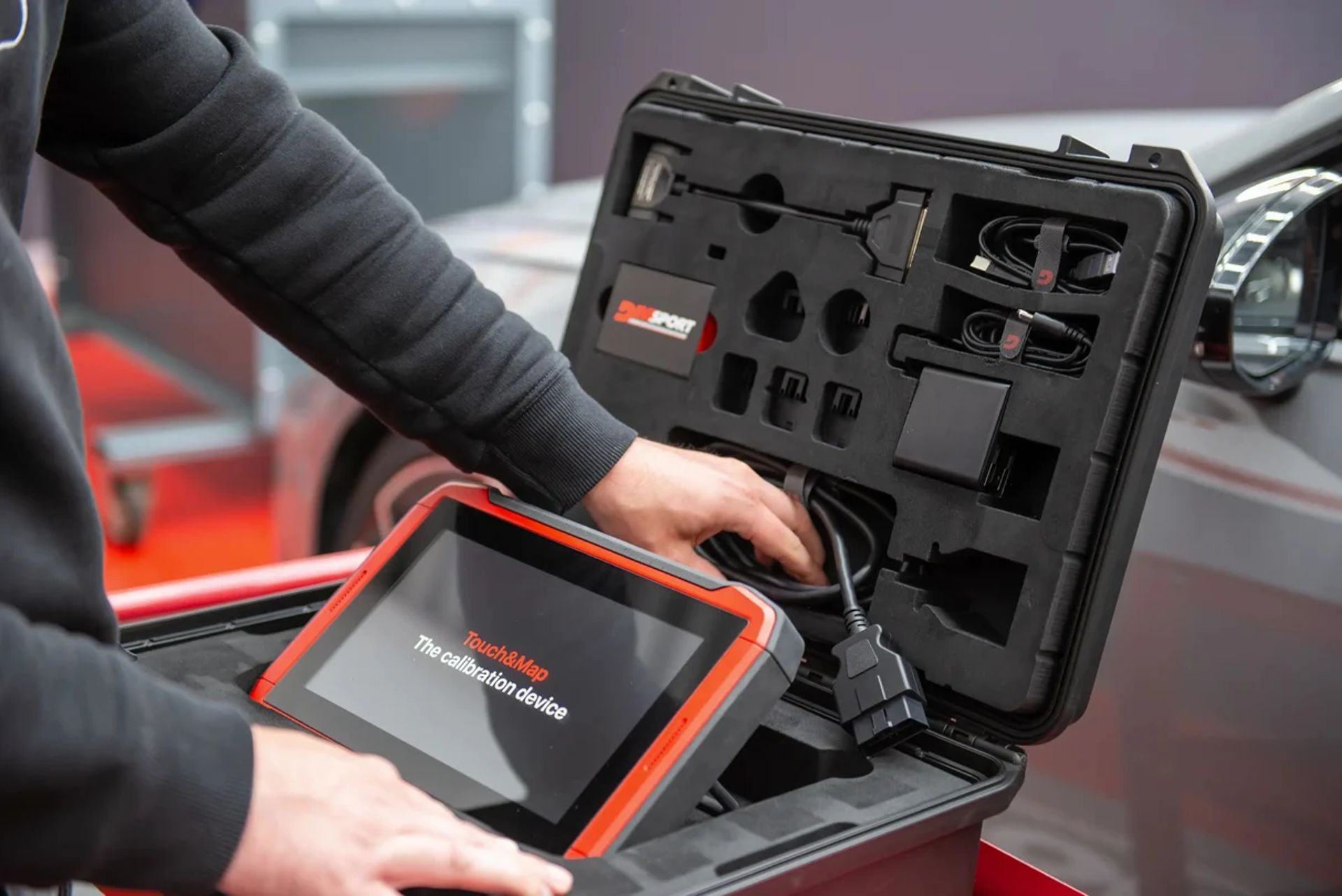
If you have never had a car remapped, it is natural to wonder what actually happens on the day. The process is calm, methodical and usually quicker than people expect. Here is how a typical appointment runs.
1. Initial checks
Before we touch the software we make sure the car is healthy — checking for existing fault codes and confirming the engine is in good order. Tuning is only ever applied to a mechanically sound vehicle.
2. Reading and saving your original file
We take an exact copy of your factory software and store it securely, so the car can always be returned to standard. Reading is done through the diagnostic port or on the bench for locked ECUs.
3. Writing the optimised file
The developed file is written back to the ECU. We then confirm everything communicates correctly and there are no warnings before the car moves.
4. Road test and handover
Finally the car is road-tested — and where appropriate verified on the rolling road — so the results are proven before you drive away. We talk you through the changes and any aftercare at handover.
Usually a couple of hours
Most vehicles are completed within a couple of hours including testing. We will always give you a realistic timeframe in advance.
Key takeaways
- We only tune a mechanically healthy vehicle.
- Your original file is read and saved before anything changes.
- The optimised file is written and checked for warnings.
- Every car is road-tested before handover.
Frequently asked questions
How long will my car be with you?
For most vehicles the whole process, including road-testing, is completed within a couple of hours. More complex or bench-read ECUs can take longer, and we will always tell you in advance.
Do you check the car before remapping it?
Yes. We confirm the engine is healthy and free of relevant fault codes first, because a remap should only ever be applied to a mechanically sound vehicle.
Want advice for your vehicle?
Speak to a specialist for honest, no-pressure guidance tailored to your car and how you drive.