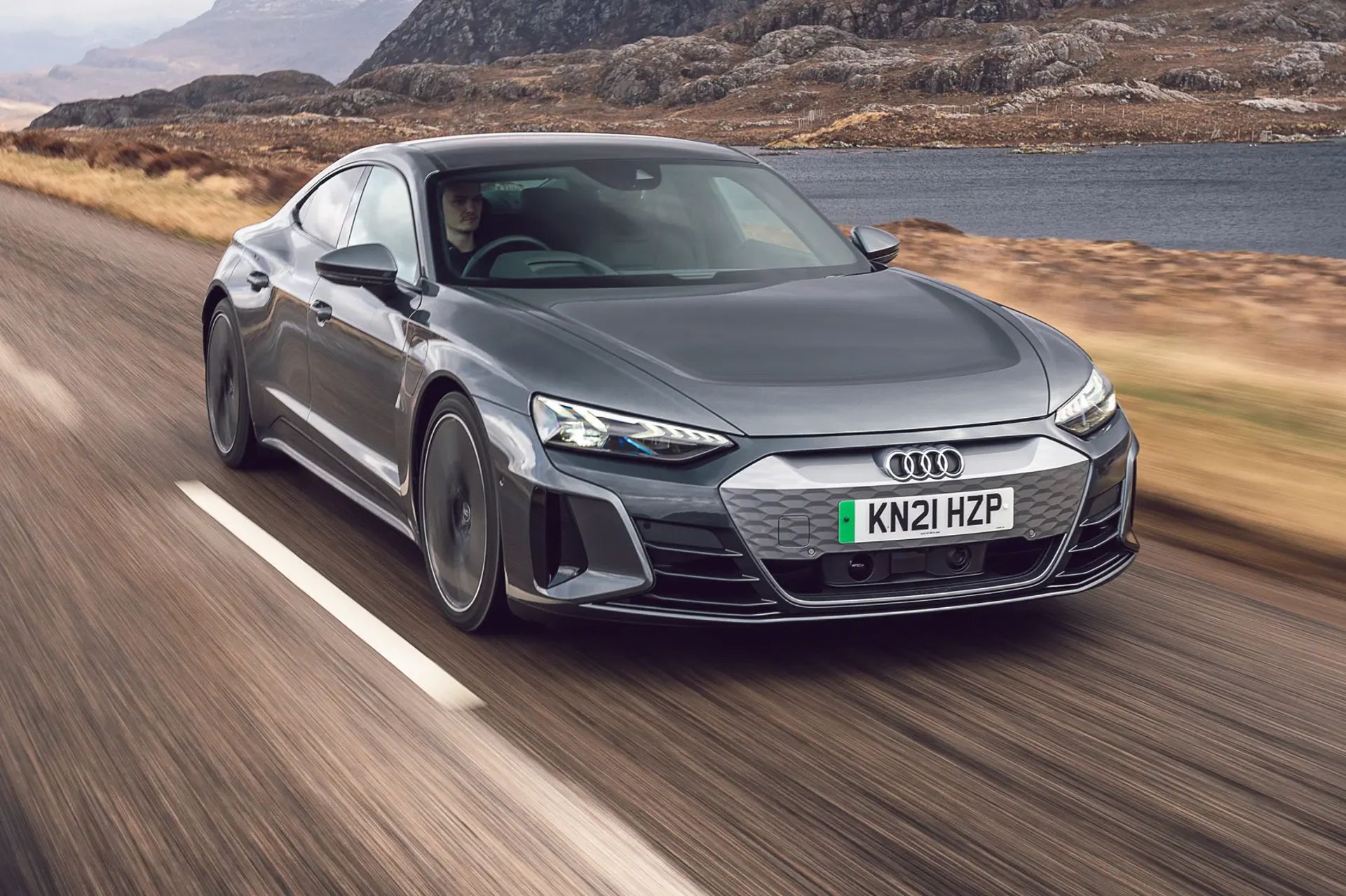
Tuning is no longer just for petrol and diesel cars. Electric vehicles are controlled by sophisticated software that governs how much power the motors deliver, and on many models that software can be recalibrated to release performance the manufacturer left on the table. If you drive a modern EV and want more from it, remapping is genuinely on the menu.
How EV tuning works
A petrol or diesel remap adjusts fuelling, boost and timing. An EV remap works on the electric equivalent: the control software for the motors, the inverter and the power electronics that decide how much current reaches the motors and how aggressively it is delivered. By carefully raising those limits within safe margins, we can unlock more power and sharper response — without touching the battery chemistry or its management system.
Real-world examples
The gains available vary by model, but on the right car they can be significant. Two clear examples from cars we can tune, with the percentage increase over the standard output:
Gains of this order transform how the car feels — stronger acceleration, more urgent overtaking and a noticeably more eager response the moment you press the pedal.
On a suitable EV, a remap can deliver:
- More peak power from the electric motors
- Extra torque for stronger, more immediate acceleration
- Sharper throttle response and a more eager feel
- A bigger step up on performance-oriented models
The battery stays as designed
We recalibrate the motor and power-delivery software, not the battery chemistry or its safety management. The car's core protections continue to work exactly as the manufacturer intended — the remap simply makes better use of the performance already built into the hardware.
Being realistic about EVs
Not every electric car can be tuned, and the gains differ widely between models. Performance EVs with powerful motors and strong hardware tend to respond best, while others offer little headroom. As with any tuning we do, we check your exact vehicle first and calibrate within its safe limits so long-term reliability is protected. The only honest way to advise you is on your specific make and model — never a headline promise.
If you drive an EV and want to know what is possible, get in touch with your exact vehicle details. We will tell you straight whether it is a strong candidate and what gains are realistically on offer.
Key takeaways
- Many electric cars can be tuned by recalibrating the motor and inverter software.
- Gains can be substantial — the Audi e-tron GT quattro can gain around 200hp.
- The Porsche Taycan 4 (PB+) can gain around 255hp and 160Nm of torque.
- Every EV is checked and calibrated within its safe limits to protect reliability.
Frequently asked questions
Can you really remap an electric car?
Yes, on many models. EV performance is governed by the motor and inverter control software, and that can often be recalibrated to release more power and torque within safe limits.
How much power can an EV gain?
It depends heavily on the model. As examples, the Audi e-tron GT quattro can gain around 200hp, and the Porsche Taycan 4 (PB+) can gain around 255hp and 160Nm of torque.
Does EV tuning damage the battery?
We tune the motor and power-delivery software, not the battery chemistry or its safety management. We calibrate within the vehicle's safe limits so reliability is protected.
Want advice for your vehicle?
Speak to a specialist for honest, no-pressure guidance tailored to your car and how you drive.