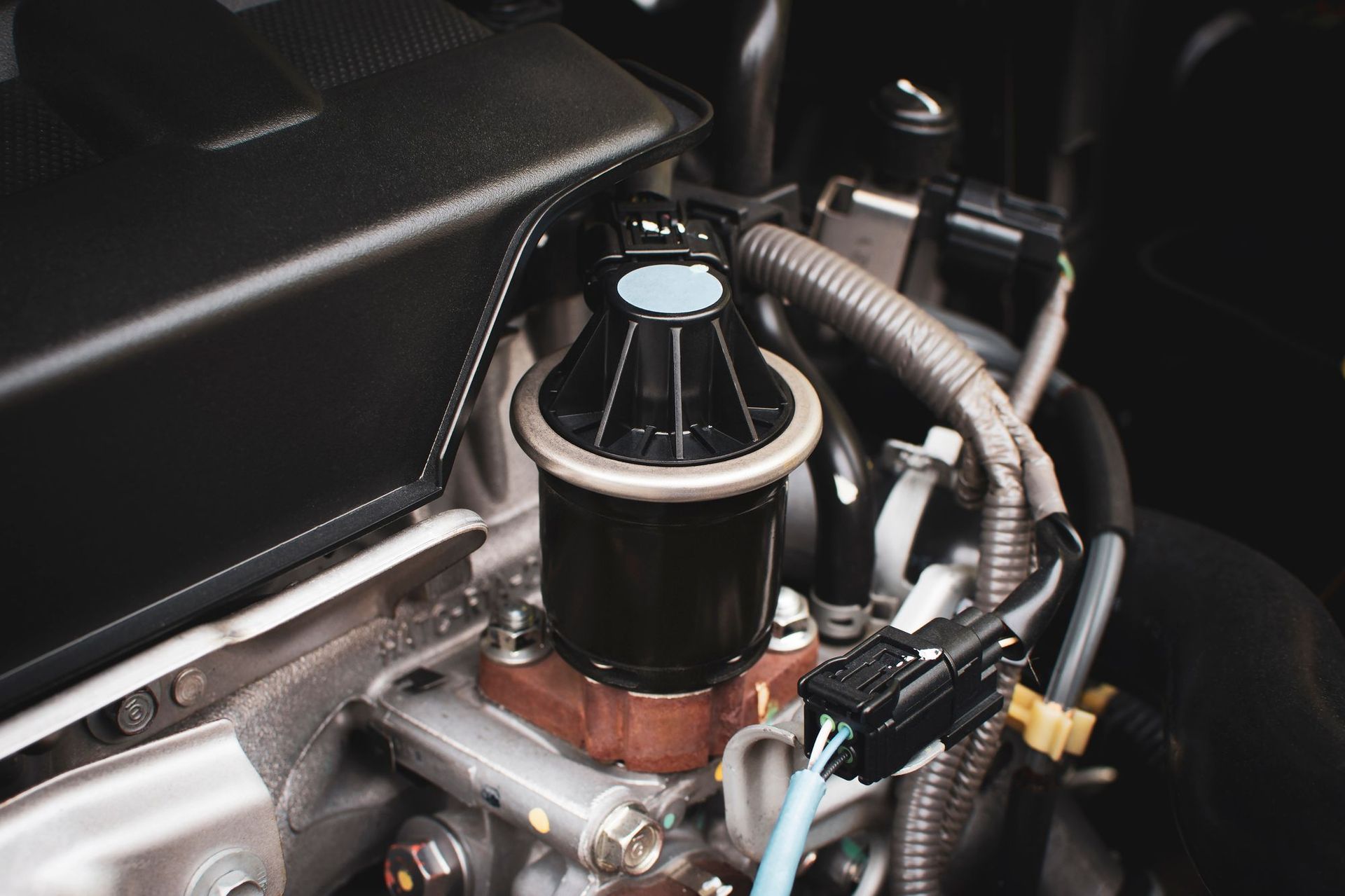
Most EGR problems come down to one thing: soot and carbon building up over time. While no diesel is immune, a few sensible habits can slow that build-up and help keep the valve working properly for longer.
Why the EGR clogs
The EGR valve recirculates hot exhaust gas, which carries soot. On engines used mostly for short, low-load trips that soot accumulates faster, eventually leaving the valve sticky or stuck.
Habits that help
To keep your EGR healthy:
- Take a regular longer, higher-load drive to keep temperatures up
- Keep up with servicing and use the correct oil
- Use good-quality fuel and address running faults promptly
- Do not ignore early signs of rough running or hesitation
Because emissions systems work together, healthy driving habits that help the EGR also benefit the AdBlue, DPF and EGR systems as a whole. If a fault does develop, catching it early makes it far simpler to resolve.
Prevention pays
Regular longer drives and good maintenance are the simplest way to keep an EGR valve working and avoid faults.
Key takeaways
- EGR faults come from soot and carbon build-up over time.
- Short, low-load trips accelerate the build-up.
- Regular longer drives and good servicing help prevent it.
- Catching a fault early makes it far simpler to resolve.
Frequently asked questions
Can I stop my EGR valve from clogging?
You cannot prevent it entirely, but regular longer drives at higher load, good servicing and quality fuel all slow the soot build-up that causes most EGR faults.
Do short journeys damage the EGR?
They accelerate soot build-up because the engine and exhaust never fully warm through. An occasional longer, higher-load drive helps keep the valve clearer.
Want advice for your vehicle?
Speak to a specialist for honest, no-pressure guidance tailored to your car and how you drive.