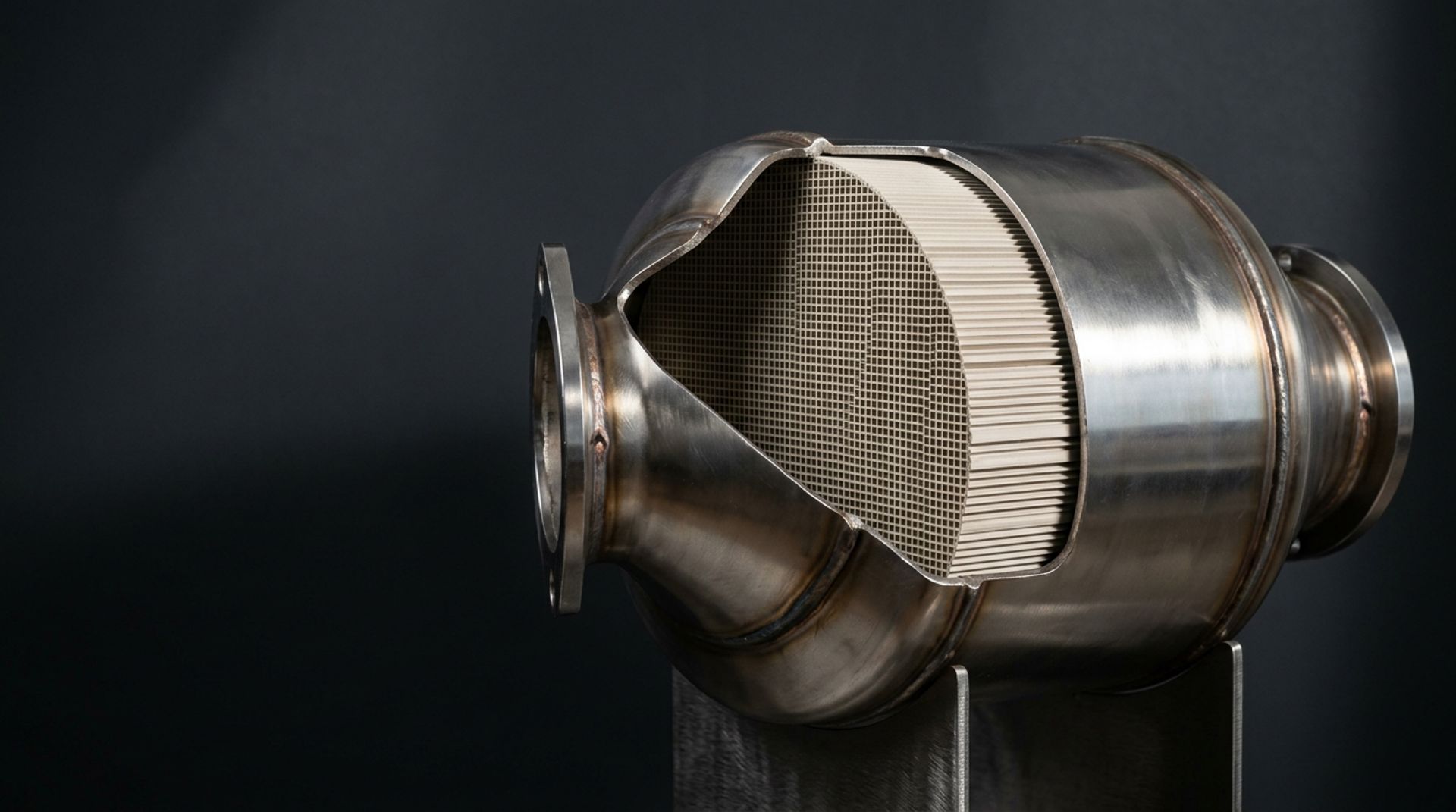
The Diesel Particulate Filter (DPF) is one of the most important emissions systems on a modern diesel — and one of the most common sources of expensive headaches. Here is a plain-English guide to what it does, why it causes trouble and the fact that we have solutions when it does.
What the DPF does
The DPF traps soot from the exhaust so it never leaves the tailpipe. Because it would eventually fill up, the car periodically burns that soot off in a process called regeneration, turning it into a tiny amount of ash and leaving the filter clear again.
Why it blocks
Regeneration needs the exhaust to get hot, which usually means a sustained run at speed. Problems appear when a car does mostly short, low-speed journeys and never gets hot enough to regenerate — the filter clogs, warning lights come on and performance drops. If your DPF is causing trouble, we have solutions to get you back on the road.
Warning signs to watch for
Common signs that the DPF needs attention include:
- A DPF or engine warning light on the dashboard
- A noticeable drop in power or the car going into limp mode
- Higher fuel use or a smell of unburnt fuel
- Frequent, incomplete regeneration attempts
We have the solution
Whatever DPF issue you are facing, we have solutions to sort it out. Talk to us about your vehicle and we will explain the best way forward.
Key takeaways
- The DPF traps soot from the exhaust and burns it off during regeneration.
- Short, low-speed journeys stop it getting hot enough to regenerate, so it clogs.
- A blocked DPF triggers warning lights and a noticeable drop in performance.
- Whatever the DPF issue, we have solutions to get you back on the road.
Frequently asked questions
What causes a DPF to block in the first place?
DPFs trap soot and burn it off during regeneration, which needs regular longer drives to reach temperature. Lots of short journeys, a faulty sensor or a related EGR problem can all stop this happening and cause a blockage.
Can a blocked DPF be resolved without replacing it?
Often yes. Depending on how blocked it is, a proper forced regeneration or professional clean can restore it. We diagnose the real condition first and only recommend replacement when it is genuinely needed.
Want advice for your vehicle?
Speak to a specialist for honest, no-pressure guidance tailored to your car and how you drive.