A diesel particulate filter quietly does its job for years, but when it starts to struggle the signs are usually there well before it fully blocks. Acting on them early is far cheaper and less stressful than waiting for a warning that the car has gone into limp mode.
The signs to watch for
Common early indicators include:
- A DPF or engine warning light on the dashboard
- Noticeably worse fuel economy than usual
- Frequent or extended regeneration cycles
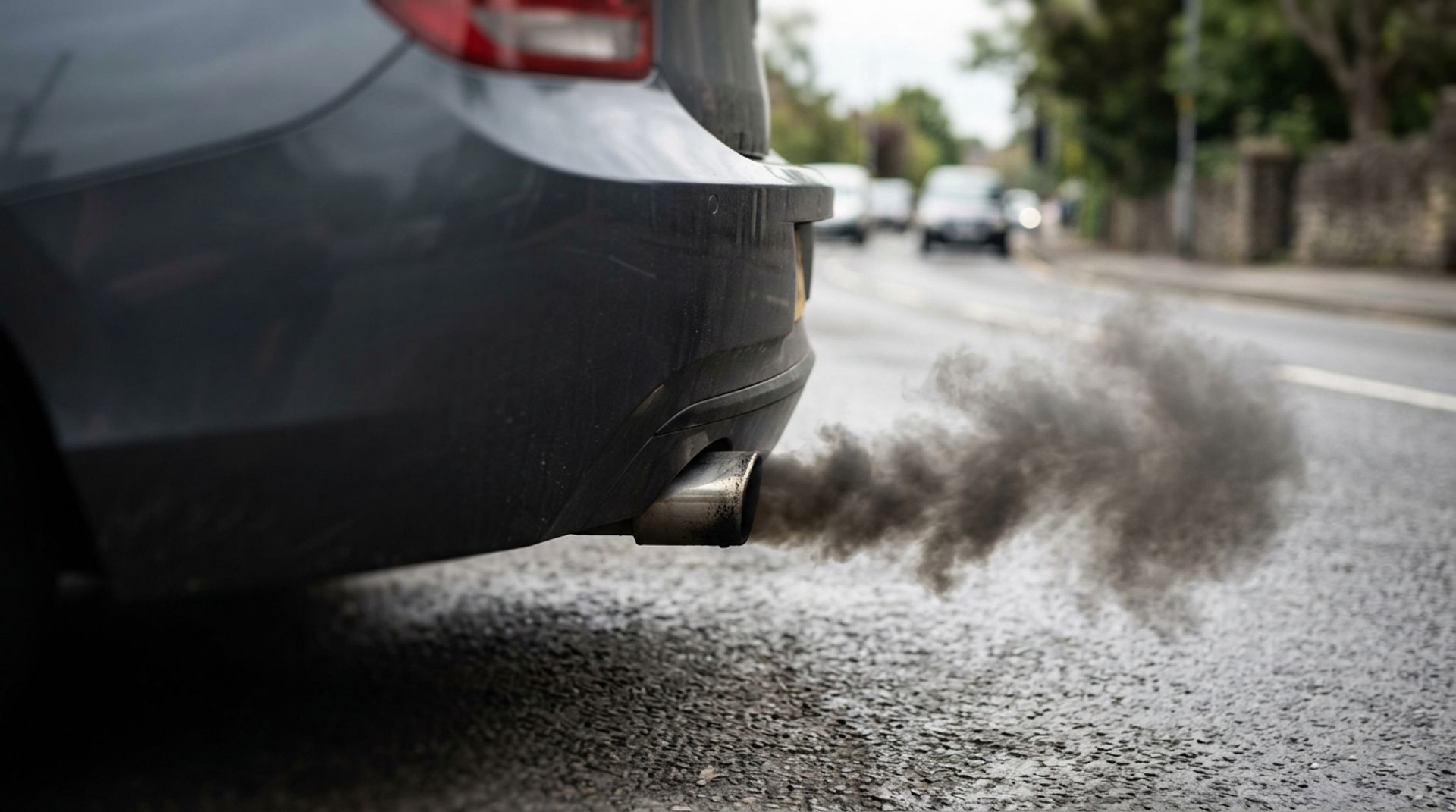
- A strong smell or more smoke from the exhaust
- Reduced power or the car dropping into limp mode
- The cooling fan running more than normal after a drive
Why short journeys are a common cause
DPFs rely on regular longer drives to reach the temperature needed to burn off trapped soot. Lots of short, stop-start journeys never let this happen, so soot builds up faster. If that sounds like your driving, the filter deserves a closer look sooner rather than later.
Diagnose before you spend
We check the real condition of your DPF and its sensors before recommending anything, so you only pay for the solution your car actually needs.
Key takeaways
- Warning lights, poor economy and limp mode are key DPF warning signs.
- Frequent regens and extra exhaust smoke also point to a struggling filter.
- Short, stop-start journeys are a common cause of soot build-up.
- Early diagnosis is far cheaper than waiting for a full blockage.
Frequently asked questions
Can I keep driving with a DPF warning light on?
A steady DPF light often means the filter needs a good longer drive to regenerate. If it stays on, other lights appear, or the car loses power, stop driving hard and have it checked to avoid a full blockage.
Will a long motorway drive clear my DPF?
Sometimes a sustained higher-speed drive lets the filter regenerate and clear light soot. If it is already heavily blocked, though, that will not be enough and it needs proper diagnosis.
Want advice for your vehicle?
Speak to a specialist for honest, no-pressure guidance tailored to your car and how you drive.